How To Start An Online Store In Pakistan In 2026 (No Coding, No Big Budget)
A few years ago, starting an online business in Pakistan meant hiring a developer, spending months b...
How to Start an Online Store in Pakistan in 2026 (No Coding, No Big Budget)
- April 21, 2026
- 10 Pm
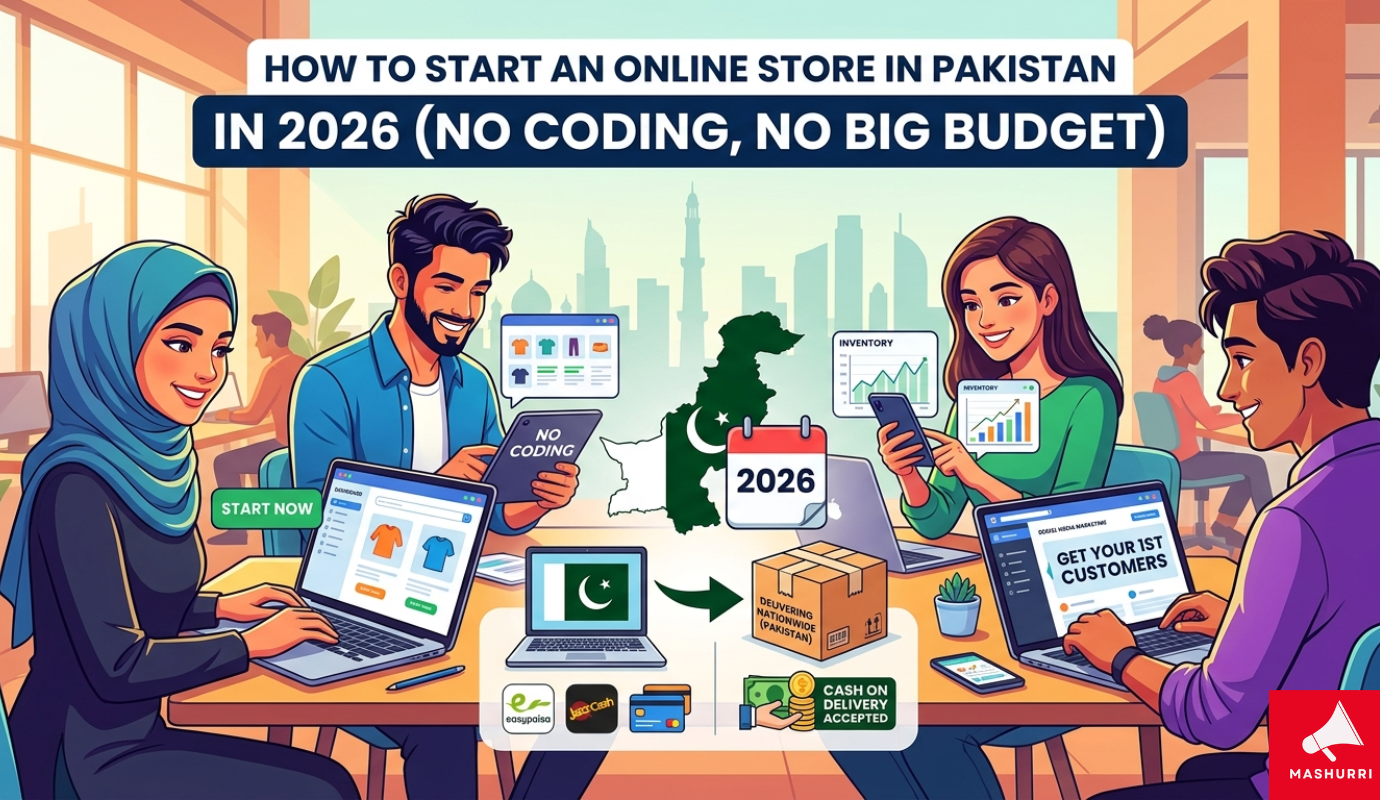
A Few Years Ago, Starting An Online Business In Pakistan Meant Hiring A Developer, Spending Months Building A Website, And Burning Through Lakhs Of Rupees Before You Ever Made A Single Sale. In 2026, That's Simply No Longer True.
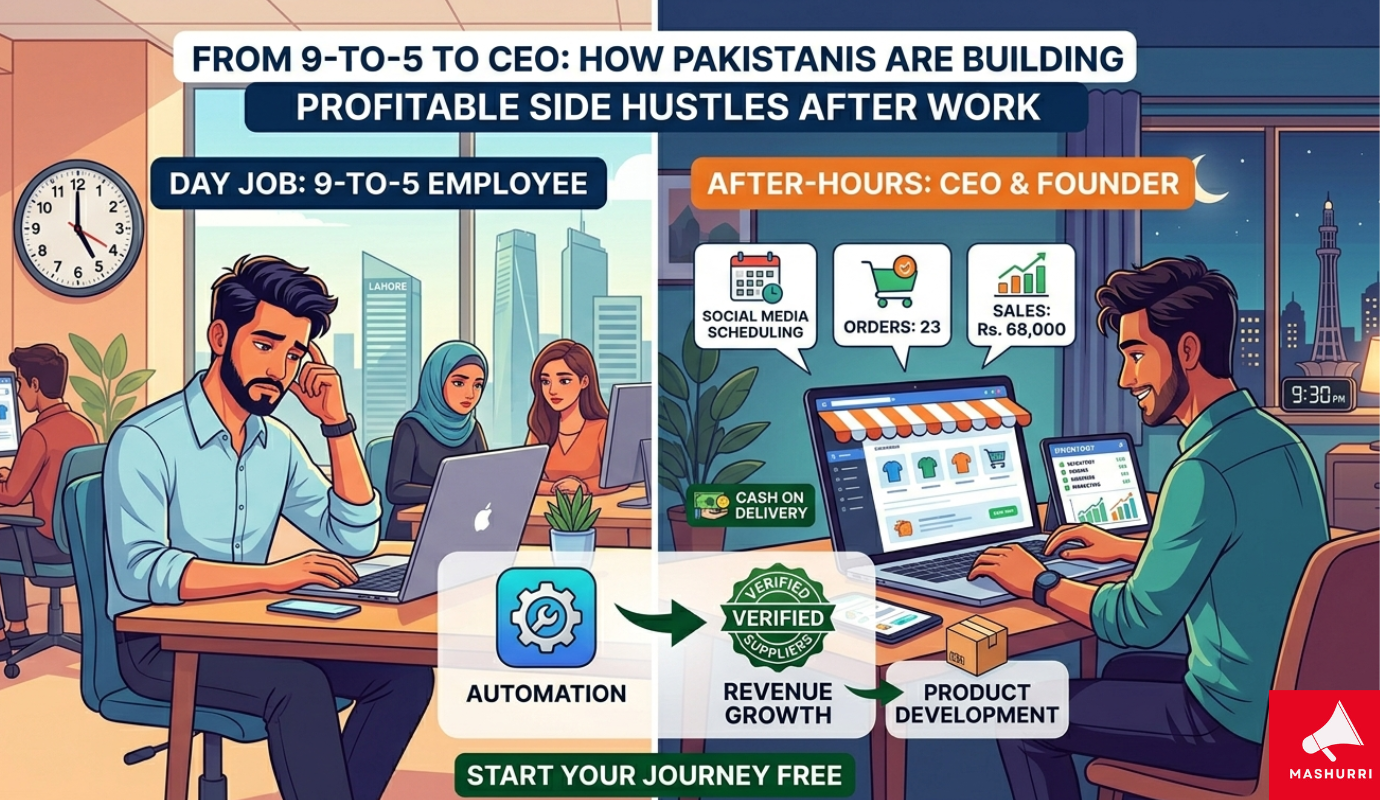
Today, A University Student In Lahore, A Working Mother In Karachi, Or A 9-to-6 Professional Building A Side Hustle In Islamabad Can Launch A Fully Functional Online Store In A Single Afternoon — Without Writing One Line Of Code, And Without A Large Investment. The Tools Have Changed, The Buyers Are Already Online, And The Barrier To Entry Has Never Been Lower.
This Guide Walks You Through Exactly How To Start Your Online Store In Pakistan This Year: What To Sell, How To Set It Up, How To Take Payments, How To Deliver, And How To Get Your First Customers. No Technical Background Required.
Why 2026 Is The Right Time To Start
Pakistan's Online Shopping Habit Is No Longer A Novelty — It's The Norm. Millions Of People Now Buy Clothes, Gadgets, Beauty Products, And Home Goods Straight From Their Phones, And A Huge Share Of Those Sales Happen Through Instagram, WhatsApp, And Facebook Rather Than Big Marketplaces.
That Shift Matters For You. It Means Customers Are Comfortable Buying From Small, Independent Brands — Not Just Established Names. A Well-presented Page And A Trustworthy Checkout Can Compete With Much Bigger Players. The Opportunity Isn't Reserved For People With Funding Or A Tech Team. It's Open To Anyone Willing To Start.
What You Actually Need To Start (Spoiler: Less Than You Think)
Let's Clear Up The Biggest Myth First. You Do Not Need:
A Custom-coded Website
A Registered Company On Day One
A Warehouse Full Of Stock
A Marketing Agency
Hundreds Of Thousands Of Rupees
What You Genuinely Need Is A Product Idea, A Simple Online Storefront, A Way To Accept Payments, A Delivery Method, And A Plan To Reach Customers. That's It. Everything Else Can Be Added As You Grow.
The Rest Of This Guide Breaks Each Of Those Into Clear Steps.
Step 1: Decide What To Sell
Your Product Choice Will Make Or Break The Business, So Don't Rush Past This. You Broadly Have Three Paths:
Sell Your Own Products. If You Make Something — Handmade Jewellery, Baked Goods, Candles, Clothing, Art — You Already Have A Head Start. Your Story And Uniqueness Become Your Marketing.
Resell Or Source Products. Buy In Bulk From Local Wholesale Markets (like Akbari Mandi, Bolton Market, Or Local Manufacturers) And Sell At A Margin. Lower Creativity Required, But You Compete On Selection And Service.
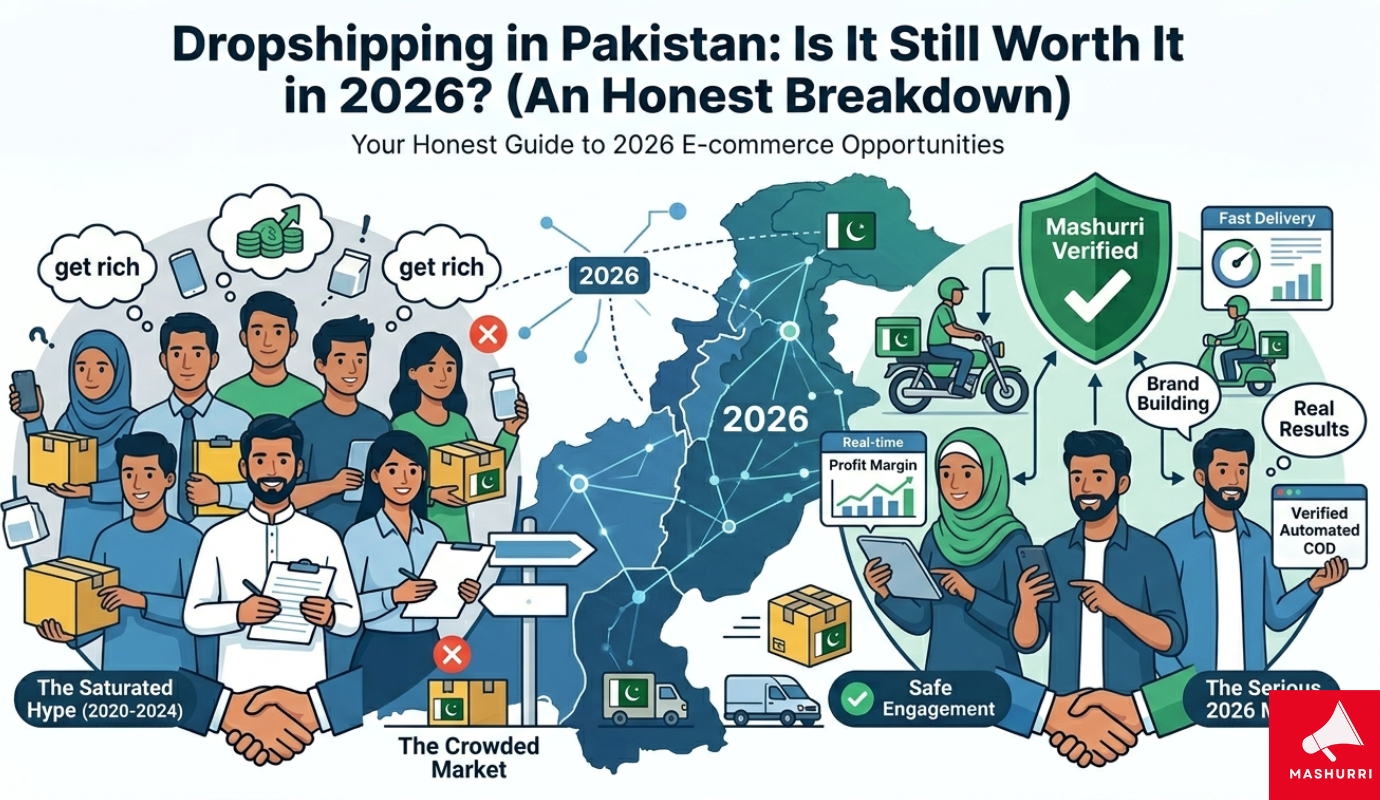
Dropship. Partner With A Supplier Who Ships Directly To Your Customer, So You Never Hold Stock. This Keeps Your Upfront Cost Near Zero, But Choosing Reliable Suppliers Is Critical (more On That Later).
A Simple Test For Any Product Idea: Is There Proven Demand? Can You Source It At A Price That Leaves Room For Profit After Delivery And Fees? Does It Solve A Problem Or Spark A Desire? If You Can Answer Yes To All Three, You Have A Viable Starting Point.
Step 2: Set Up Your Online Store — Without Coding
This Is The Step That Used To Scare People Off, And It's Now The Easiest Part.
Instead Of Hiring A Developer, You Can Use A No-code Storefront Builder That Lets You Pick A Template, Add Your Products, Set Prices, And Go Live The Same Day. You Drag, You Drop, You Type In Your Product Details, And You Have A Real Website With Its Own Shopping Cart And Checkout.
A Platform Like Mashurri Is Built Exactly For This — A No-code Store Builder With Ready-made Templates, Product And Inventory Management, And A Hosted Checkout Designed For Pakistani Shoppers, All From One Dashboard. The Advantage Of An All-in-one Tool Is That Your Store, Payments, Inventory, And Even Your Social Media Don't Live In Five Different Apps That Refuse To Talk To Each Other.
Whichever Route You Choose, Your Store Should Clearly Show Your Products With Good Photos, Prices, A Simple Way To Add To Cart, And An Easy Checkout. Keep It Clean. A Confused Customer Is A Lost Customer.
Step 3: Sort Out Your Payments
Pakistani Shoppers Pay In A Few Specific Ways, And You'll Want To Support The Popular Ones:
Cash On Delivery (COD) Is Still King. A Large Share Of Buyers Prefer To Pay Only When The Parcel Arrives. You'll Lose A Lot Of Sales If You Don't Offer It.
Digital Wallets Like JazzCash And Easypaisa Are Everywhere And Trusted, Especially For Smaller Purchases.
Card And Online Payments Through A Gateway Such As PayFast Let Customers Pay Instantly With Debit Or Credit Cards And Bank Accounts — Useful For Building Trust And Getting Paid Upfront.
The Smoothest Setup Offers A Mix: COD For The Hesitant, Digital Wallets For Convenience, And A Card Gateway For Instant Payment. If Your Store Platform Has Local Payment Gateways Built In, This Becomes A Simple Toggle Rather Than A Technical Project.
Step 4: Handle Delivery And Logistics
Once An Order Comes In, It Has To Reach The Customer. Pakistan Has A Strong Courier Network — Companies Like TCS, Leopards, M&P, And Others Offer Nationwide Delivery And COD Collection, Meaning They Hand You The Cash They Collect From The Buyer.
In The Beginning, You Can Simply Book Parcels Manually With A Courier. As Order Volume Grows, Look For A Store Setup That Integrates With Shipping Partners So Labels, Tracking, And Stock Updates Happen Automatically Instead Of Eating Your Evenings. Automated Logistics Is One Of The First Things Worth Turning On Once You're Getting Consistent Orders.
A Word On Packaging: It's Part Of Your Brand. A Neat, Branded Parcel Turns A One-time Buyer Into A Repeat Customer And Earns You Free Word-of-mouth When They Post It Online.
Step 5: Find Reliable Suppliers (and Avoid The Scams)
If You're Sourcing Or Dropshipping, Your Supplier Is Your Business Partner Whether You Like It Or Not. A Bad One Means Late Deliveries, Poor Quality, And Angry Customers Blaming You.
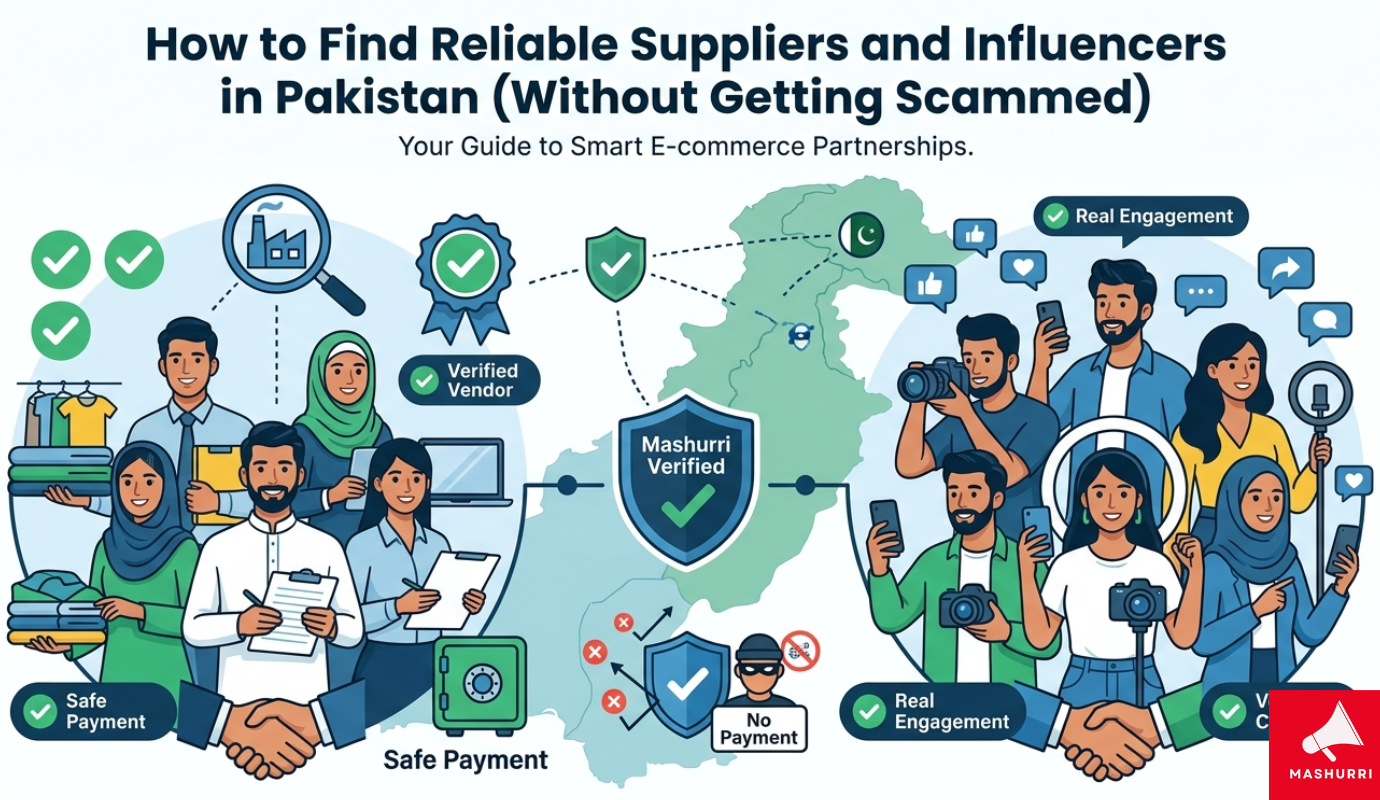
Protect Yourself By Ordering Samples Before Committing, Checking Reviews And References, Starting With Small Quantities, And Keeping Everything In Writing. The Unreliable-supplier Problem Is So Common In Pakistan That Verified Vendor Marketplaces Now Exist Specifically To Connect Sellers With Pre-vetted Suppliers And Manufacturers — A Far Safer Starting Point Than Cold-messaging Strangers On Facebook.
Step 6: Get Your First Customers
A Store With No Traffic Makes No Sales. Marketing Doesn't Have To Mean A Big Ad Budget — Especially At The Start.
Social Media Is Your Engine. Set Up Instagram, TikTok, And Facebook Pages For Your Brand And Post Consistently. Show Your Products In Use, Share Behind-the-scenes Content, And Answer DMs Quickly. A Content Calendar And A Social Scheduler Save You Hours And Keep You Posting Even On Busy Days.
Lean On Creators. Influencer Marketing Works Exceptionally Well In Pakistan, And You Don't Need Celebrities. Micro-influencers With Engaged Local Followings Can Drive Real Traffic Affordably. Verified Influencer Marketplaces Let You Skip The Cold DMs And Find Creators Who Actually Fit Your Niche.
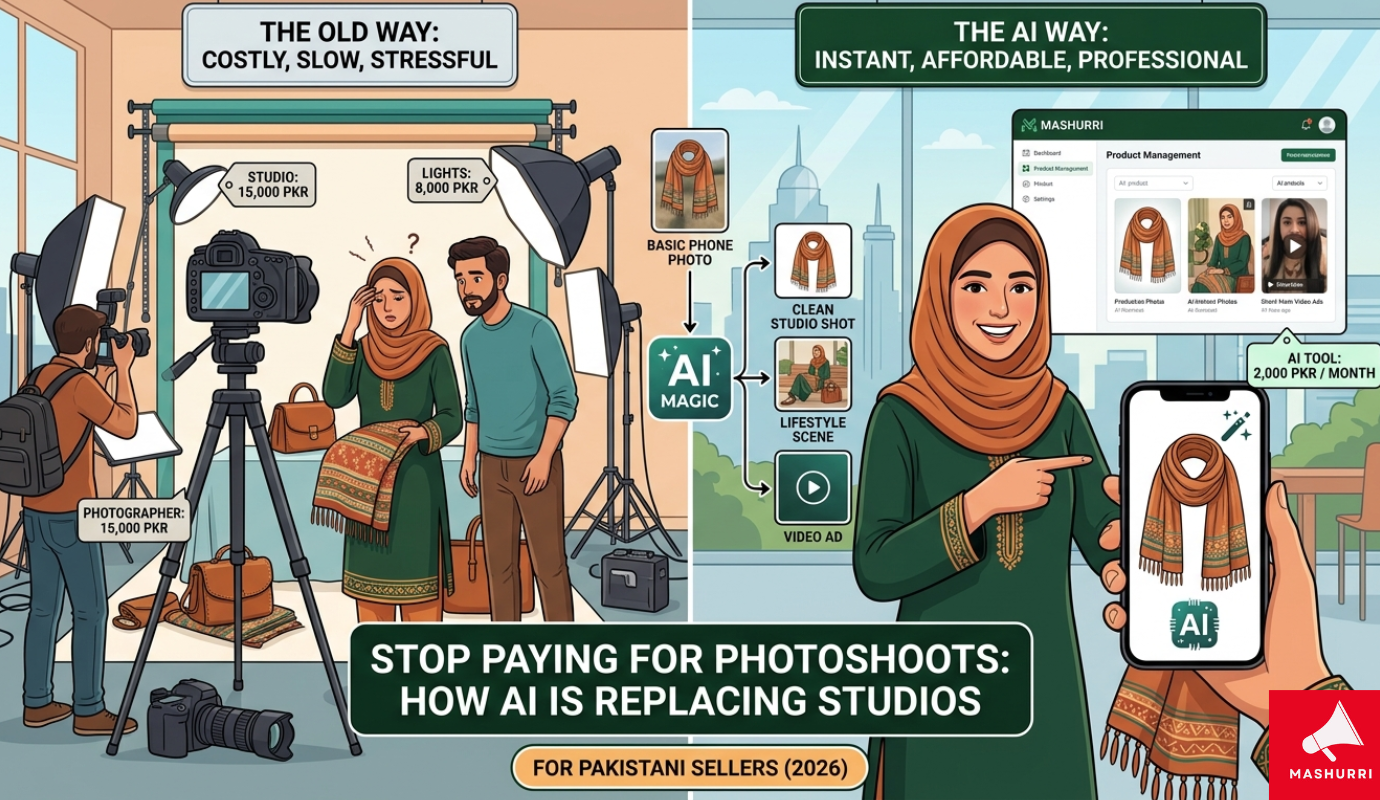
Let AI Do The Heavy Creative Lifting. Professional Product Photos And Ad Videos Used To Require A Studio, Models, And A Photographer. AI Content Tools Can Now Turn A Simple Product Photo Into Polished, Conversion-ready Images And Short Videos In Seconds — A Game-changer For A One-person Business On A Budget.
Don't Ignore Content Marketing. A Blog (like The One You're Reading) Helps You Show Up On Google When People Search For What You Sell, Bringing In Free, Long-term Traffic.
Step 7: Track What's Working And Scale
Once Sales Start, Your Job Shifts From Guessing To Measuring. Pay Attention To Which Products Sell, Where Your Traffic Comes From, Your Conversion Rate, And Which Marketing Efforts Actually Pay Off.
Good Analytics Turn Opinions Into Decisions. Instead Of "I Think The Red Dress Is Popular," You'll Know It Outsells Everything Else Two To One — So You Stock More Of It And Run Ads On It. A Dashboard That Pulls Sales, Traffic, And Customer Behaviour Into One View Is Worth Its Weight In Gold As You Grow.
A Realistic Budget To Get Started
Here's Roughly What A Lean Launch Can Look Like In 2026, In Pakistani Rupees:
Store Platform/subscription: A Modest Monthly Fee, Often A Few Thousand Rupees, Far Cheaper Than Custom Development
Initial Stock: Optional If You Dropship; Otherwise Start Small, Perhaps Rs 15,000–50,000
Branding And Content: Near Zero If You Use AI Tools And Your Own Phone
Marketing: Start With Free Social Media, Then Test Small Ad Budgets Of Rs 1,000–5,000
Many Sellers Launch For Well Under Rs 50,000 — And Dropshippers Often Start With Almost Nothing But Their Time.
Common Mistakes To Avoid
Waiting Until Everything Is "perfect." Launch, Then Improve. Your First Version Doesn't Need To Be Flawless.
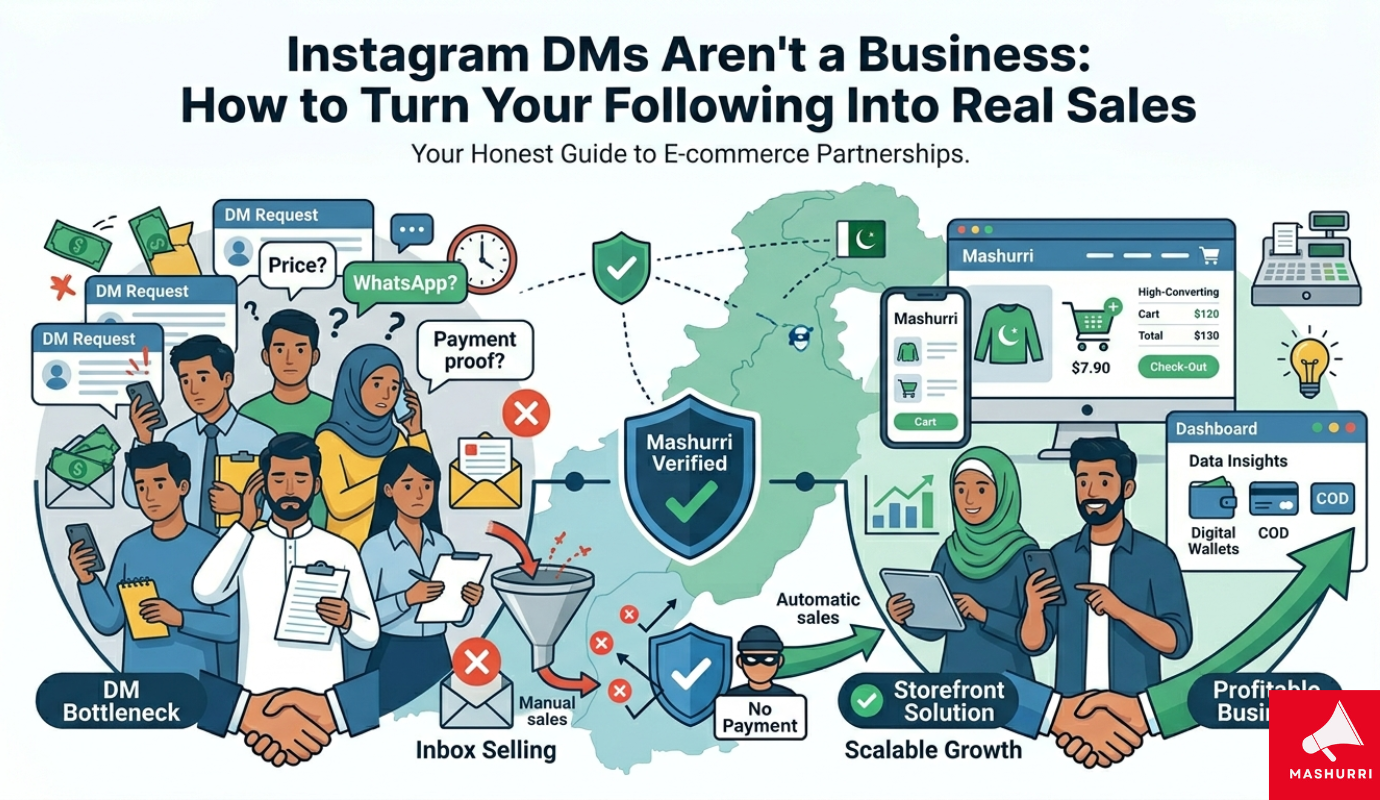
Running Everything Through Instagram DMs. It Feels Easy At First, But It Doesn't Scale, Looks Less Professional, And You Lose Orders In The Chaos. A Proper Storefront Builds Trust And Handles Volume.
Ignoring Customer Service. Fast Replies And Honest Communication Earn Reviews And Repeat Buyers.
Juggling Too Many Disconnected Tools. When Your Store, Payments, Inventory, And Social Media Don't Sync, Mistakes Like Overselling Stock Creep In. Keeping It Unified Saves You From Headaches Later.
Your Next Step
Starting An Online Store In Pakistan In 2026 Isn't About Having Money Or Technical Skills — It's About Taking The First Step With The Right Tools. Pick Your Product, Set Up A Simple Store, Turn On Local Payments, Sort Your Delivery, And Start Telling People. You Can Be Live This Week.
The Biggest Difference Between People Who Dream About A Business And People Who Run One Is Simply Starting. Everything In This Guide Is Doable Today, On A Budget, With No Code.
If You'd Rather Manage Your Storefront, Payments, Inventory, Social Media, And AI Content From A Single Dashboard Instead Of Stitching Together A Dozen Apps, That's Exactly What Mashurri Was Built To Do. Get Started Free And Launch Your Store Today.
Ready To Build Smart And Scale Faster? Explore More Guides On The Mashurri Blog.